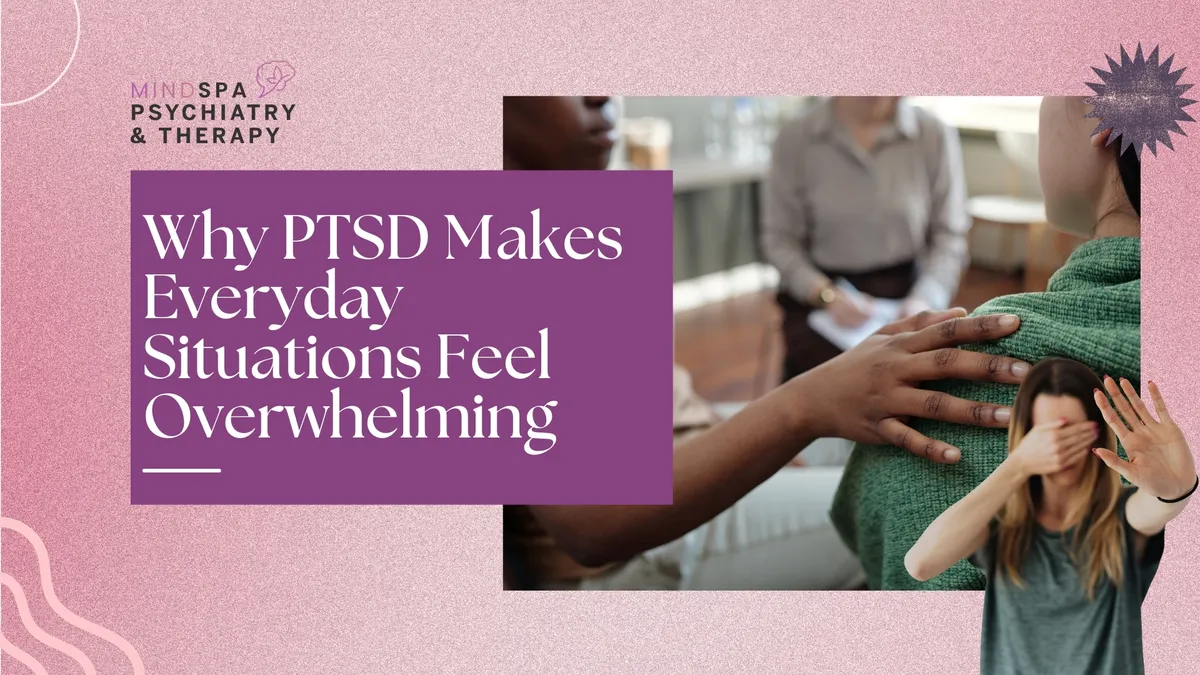
Trauma can happen in many different ways. It may result from a single event, repeated events, or ongoing stressful experiences. Everyone responds to trauma differently. Some people develop post-traumatic stress disorder (PTSD), while others experience only short-term or mild reactions.
PTSD is more common than many people realize. Around 7 out of 10 people worldwide will experience at least one traumatic event in their lifetime. However, about 4 out of every 100 people will develop PTSD at some point in their lives.
In the United States, about 5% of adults experience PTSD in any given year. Women are more likely to develop PTSD than men. Approximately 8% of women will experience PTSD during their lifetime, compared to about 4% of men. PTSD is also more common among veterans and people who have experienced interpersonal violence.
How someone is affected by trauma depends on many factors, including their personality, the type of trauma, their stage of life, how they understand the event, and their cultural background.
Why Do People Feel Overwhelmed After Trauma?
After a traumatic event, people react in different ways. Most people experience strong emotions or stress right away. However, these feelings usually settle down over time. Many survivors are resilient and learn how to cope with what happened, especially when they receive support from family, friends, or their community.
Feeling overwhelmed often happens when life starts to feel like too much to handle on your own. Most people feel stressed at times but are able to calm themselves and return to normal. For people who have experienced trauma, however, this can be much harder. Past experiences can make it difficult for the brain and body to manage stress in a healthy way.
When you are emotionally overwhelmed, it can feel like you are drowning in your own thoughts and emotions. Everything feels intense at once. This can make it hard to think clearly, make decisions, or take action. Some people describe the experience as feeling frozen, stuck, or completely shut down.
Overwhelm does not always have the same cause. A situation that feels manageable one day may feel unbearable on another. Overwhelm can come and go in short moments, or it may last longer, depending on the person, their coping skills, and the number of stressors they are dealing with at the same time.
How to Know You Are Overwhelmed After PTSD?
People with PTSD don’t just feel stressed; their nervous system can remain on high alert long after a traumatic event. This can make everyday situations feel much harder to manage. Below are common signs that you may be feeling overwhelmed, especially when PTSD is involved.
Emotional and Mental Signs
- You feel easily irritated or frustrated. Even small annoyances feel much bigger than they used to.
- You feel helpless and hopeless, like nothing you do will make things better.
- You experience constant worry or anxiety and may find yourself stuck in negative thoughts or “what if” thinking.
- Some people experience panic or anxiety attacks, which can feel like a sudden wave of fear that comes without warning or feels out of proportion to the situation.
- You find it difficult to focus or make decisions. Even simple choices may feel confusing or overwhelming.
Behavioral and Social Signs
- You start avoiding people or activities you used to enjoy. Social interactions feel draining.
- You put off tasks, delaying even basic responsibilities.
- You may withdraw or isolate yourself, preferring to be alone because interacting feels exhausting or stressful.
Physical and Health Signs
- Sleep disturbances are common. You may have trouble falling asleep, staying asleep, or sleeping too much.
- Changes in appetite. You may eat more or less than usual.
- Frequent headaches, stomachaches, or other physical symptoms. Emotional stress can show up in the body.
- Feeling tired or fatigued all the time. Even small tasks can feel exhausting.
Thinking and Perception Changes
- Your thoughts feel chaotic or overwhelming. You may feel “drowned” by your thoughts or unable to catch a break.
- Your emotions feel out of control. They may be too intense (panic, anger) or very muted (numb, disconnected), which is common in trauma responses.
- You begin to see threats everywhere. Even in safe situations, your brain may remain on high alert for danger (a common PTSD response).
Why do these happen to people with PTSD?
After trauma, the brain and body can remain in a state of “high alert.” You can think of it like an alarm system that never fully turns off. This can make everyday tasks feel overwhelming or exhausting.
These tasks can include conversations, work responsibilities, family duties, or even quiet moments alone. Experiencing this is a sign that your system is overwhelmed and may need rest, support, or professional care to help you feel more balanced and grounded.
You Don’t Have To Face This Alone.
If everyday situations feel overwhelming after trauma, it does not mean you are broken or failing. PTSD changes how the brain and body respond to stress, making even small demands feel heavy and exhausting. What might look like “overreacting” on the outside is often a nervous system working overtime to keep you safe.
At MindSpa Psychiatry & Therapy, we’re here for you. With flexible online psychiatry and therapy sessions, you can talk openly about your symptoms in a comfortable, judgment-free space.
Frequently Asked Questions
Does PTSD make you feel overwhelmed?
Yes. Physically, PTSD can leave the body tense and on edge, sometimes leading to anger outbursts. This may appear as a fight response, intense distress, or a general feeling of being overwhelmed.
What does PTSD feel like mentally?
Someone with PTSD often feels anxious and finds it difficult to relax. They may constantly feel on edge, be hypervigilant, and startle easily. This state of heightened alertness is known as hyperarousal.
What are the sensory triggers of PTSD?
Triggers can be external, such as sounds, smells, sights, or locations linked to the trauma. They can also be internal, related to emotions, thoughts, or bodily sensations.
Why do people with PTSD apologize a lot?
Many people with a history of trauma or abuse have learned to over-apologize as a survival or self-protection strategy.