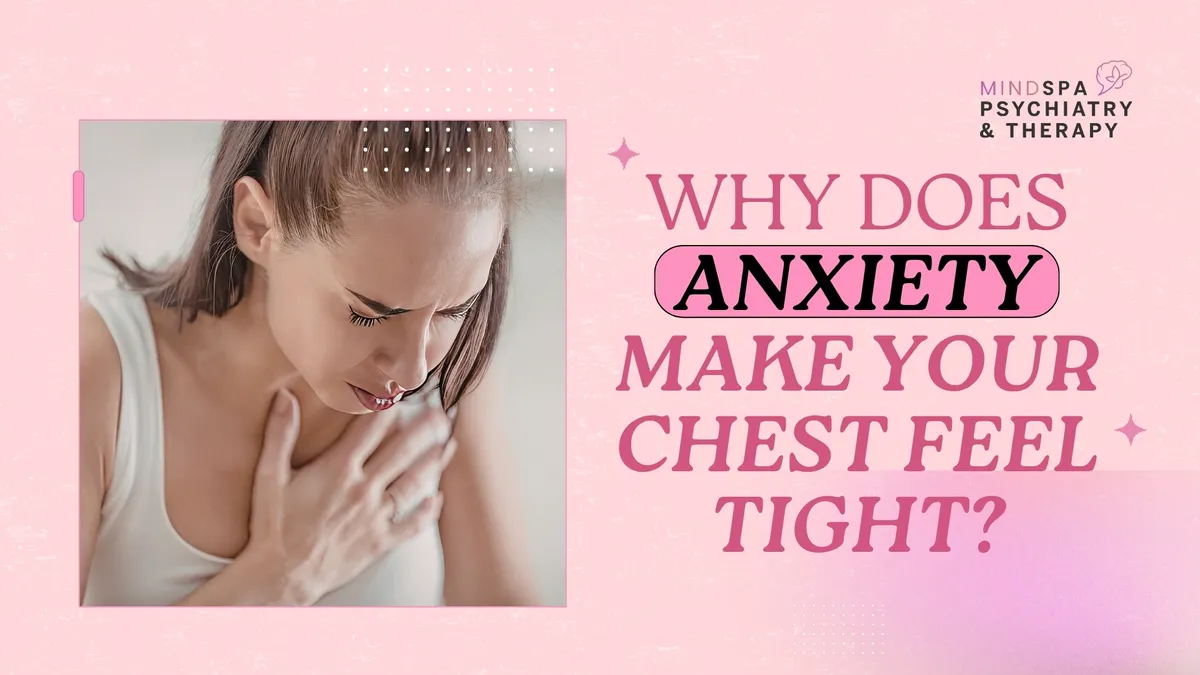
Chest pain is one of the most alarming physical symptoms of a panic attack. A significant number of emergency room visits for chest pain turn out to be rooted in panic disorder rather than heart disease.
The numbers are even higher in heart clinics, where most patients come in worried about chest pain. These patients usually go through costly heart tests, but their panic disorder is often missed or left untreated. This can be a problem because panic disorder can seriously affect your daily life, even though there are effective treatment options available.
Why Panic Disorder Can Cause Chest Pain
Panic disorder can cause chest pain in various ways. Some causes are linked with the heart, but others are not. In most cases, more than one cause is happening at the same time.
Non-Heart Related Causes
Chest pain during panic attacks does not always come from the heart. It can result from muscle strain. When you breathe fast during a panic attack, it can tighten or strain chest muscles, which causes pain. Anxiety can affect the movement of your food pipe, which leads to spasms and makes you feel like you have chest pain. Anxiety can also make normal sensations feel painful. Some people even link anxiety with pain, especially since certain medications can relieve both.
Heart-Related Causes
Panic attacks can even affect your heart. Stress responses may temporarily affect blood vessels, reducing blood flow and causing pain. Panic increases heart rate and blood pressure. These conditions can make your heart work harder and even lead to chest pain, especially in people with existing heart problems.
Small Blood Vessel Issues
Panic attacks can even affect the tiny blood vessels in the heart. When you are under stress, it can activate the nervous system, which tightens these small vessels. It can reduce blood flow and cause chest pain, even if the major arteries are normal.
When Panic and Heart Problems Overlap
Sometimes, you experience panic attacks and heart-related chest pain together. Panic increases the heart's workload, which can even lead to heart-related pain. That pain then increases anxiety, creating a cycle where both keep making each other worse.
Why Is It Hard To Diagnose?
There could be multiple reasons to experience chest pain, the reason it gets a bit difficult to figure out at once. Rapid breathing is one of the most common symptoms of panic attacks that can often mimic the cardiac issues so in such cases the diagnosis becomes more tricky. Learning the clear differences between panic and anxiety can help you better understand what your body is experiencing.
What Anxiety Chest Pain Feels Like
Chest pain that occurs with anxiety is not the same for everyone. Anxiety can show up in various ways making it more difficult to understand. It can feel different from person to person, and can even change from day to day.
There are some people who will experience chest pains that develop gradually, while there are others whose chest pain strikes abruptly and unexpectedly. The chest pain symptoms may differ widely from each other, depending on one individual to another, ranging from a stabbing pain in the chest, continuous chest ache, heavy chest pressure, to a burning sensation, numbness, and twitching.
It would definitely be quite shocking for someone experiencing chest pains for the first time because of anxiety disorder. In most instances, patients often feel that they are suffering from heart attacks and rush to the hospital for treatment. But according to various studies conducted in hospitals, a considerable number of chest pains experienced by individuals admitted in hospitals are not due to any heart condition; they are anxiety-related.
Even if your doctor rules out heart issues and you are still having chest pain, it is a good idea to talk to your doctor about anxiety or panic attacks as a possible cause. Understanding the real reason behind your symptoms is what gets you to the right treatment.
How Anxiety Can Make Chest Pain Worse
Chest pain is one of the most common reasons people go to the emergency room or visit a heart specialist. In the majority of cases, the actual problem is not heart disease, it's known as non-cardiac chest pain (NCCP). Even though it is not usually dangerous, it can still have a long-lasting effect on a person's daily life, sometimes just as much as actual heart disease.
For many people, chest tightness is rarely the only issue. Understanding how anxiety causes daily physical symptoms helps connect the dots between your stress levels and body tension.
For people with panic disorder, chest pain can feel more frequent and severe, and tends to come back over time, especially affecting physical well-being. Generalized anxiety disorder, on the other hand, is more closely tied to emotional challenges, constant worry and stress that wear down quality of life in a different way.
GAD and panic disorder are both anxiety disorders, but they affect people differently. Panic disorder usually heightens awareness of physical sensations, which makes chest pain feel stronger. GAD impacts emotional health more directly. In most cases, having either of these anxiety disorders can make symptoms worse and interfere more with everyday life.
Overall, non-cardiac chest pain isn't just a physical issue it's closely linked to mental health, and treating both the physical symptoms and the underlying anxiety is what actually resolves it.
When To Get Help For Anxiety Chest Pain
If your chest tightness keeps returning even after a clean bill of health from your doctor, exploring anxiety therapy can provide long-term tools to calm your nervous system.
If the pain keeps coming back even after following the right treatment options, a therapist can provide you with coping techniques that help you feel in control and secure.
Book a consultation today with our therapists at MindSpa or request an appointment for help figuring out what your chest pain is actually telling you. You can also call us directly at 561-821-5526.